Post-exercise migraine in athletes: causes and their link to exercise load and pharmacology

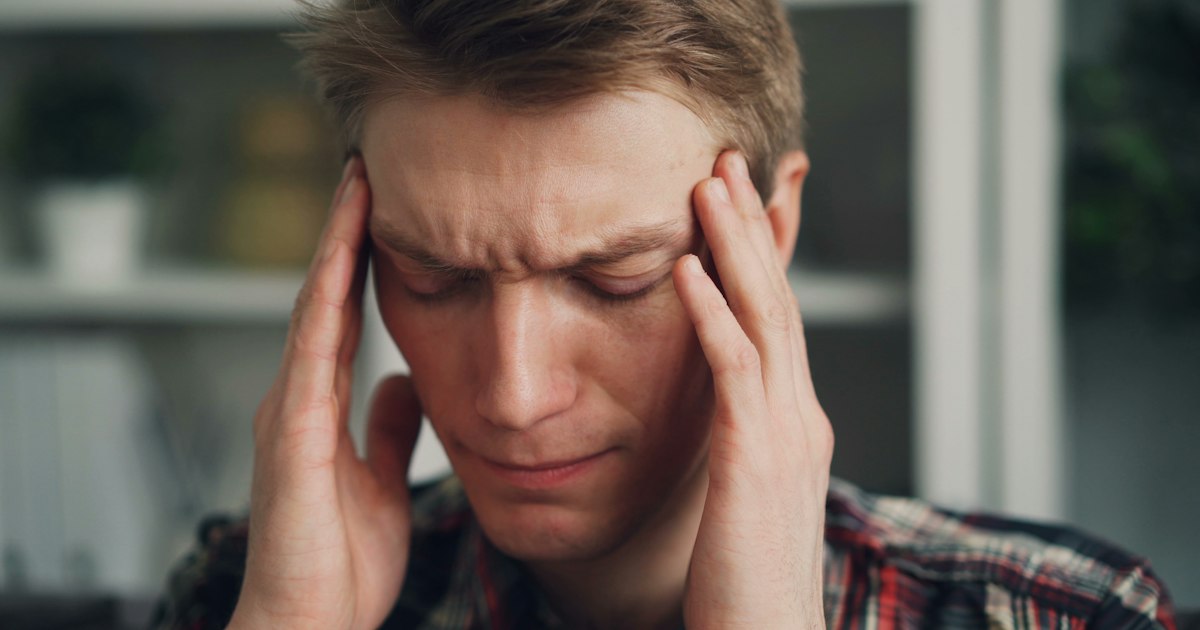
Throbbing head pain, nausea, and intolerance of light after an intense workout make many athletes think that sport is 'contraindicated' for them. In reality, the connection between physical exercise and migraine is twofold: exercise can provoke attacks, but regular activity is capable of reducing their frequency. Our editors explain which mechanisms are at work here and how supplements and medications affect headache.
Migraine or exercise headache: what is the difference
The International Classification of Headache Disorders (ICHD-3, 2018) distinguishes several conditions that athletes often lump together under the word 'migraine.' Migraine itself is a primary neurological disease with recurrent attacks of moderate or severe, often one-sided throbbing pain that intensifies with physical activity and is accompanied by nausea, photophobia, and phonophobia. In some people the attack is preceded by an aura — visual or other transient neurological symptoms.
Primary headache associated with physical exercise (code 4.2 in ICHD-3) is distinguished separately. It occurs only during or after strenuous physical work, lasts less than 48 hours, and is not explained by another cause. Such pain is especially characteristic of heat and altitude.
In people who already have migraine, exercise can provoke typical migraine attacks. In a study by Koppen and van Veldhoven (2013), a significant proportion of migraine patients reported that exercise at least sometimes provokes an attack, and such people more often had neck localization of the pain at the onset of the attack.
The most important distinction is between primary headaches and secondary ones, that is, symptoms of another disease. A sudden 'thunderclap' pain during straining can be a sign of hemorrhage, and pain during exercise for the first time in life, especially in older people, requires examination. A separate editorial article is devoted to these 'red flags.'
How training triggers an attack
The exact mechanism of migraine is still being studied, but a key role is attributed to the trigeminovascular system — the sensory fibers of the trigeminal nerve that innervate the brain membranes and their vessels. During an attack, neuropeptides are released, in particular CGRP, which cause dilation of the vessels and neurogenic inflammation. It is precisely CGRP that the newest classes of anti-migraine drugs target.
Intense exercise changes several parameters at once: arterial pressure rises, cerebral blood flow changes, body temperature increases, glucose level falls, fluid is lost. In a brain prone to migraine, any of these changes can become the trigger for an attack.
Suddenness plays an important role. An abrupt start without a warm-up, maximal sprints, and strength exercises with breath-holding and straining (the Valsalva maneuver) give a rapid rise in blood pressure and intracranial pressure. It is precisely such situations that patients whose training provokes pain describe more often.
The 'after' state also matters. Some attacks develop not during training but a few hours later: against a background of glycogen depletion, insufficient rehydration, and an abrupt transition from high activity to rest.
Triggers related to an athlete's routine
Migraine is sensitive to irregularity. Missed meals, an altered sleep schedule, flights across time zones, pre-start stress, and relaxation after it — all these are typical factors of athletic life that neurologists describe as attack triggers.
| Trigger | Sporting context | Comment |
|---|---|---|
| Dehydration | Long events, heat, 'weight cutting' | One of the most frequently mentioned triggers |
| Low glucose | Training on an empty stomach, a strict diet | Especially during 'cutting' |
| Sleep disturbances | Early training, flights | Both sleep deprivation and excessive sleep |
| Stress and the 'release' of stress | Competitions, the period after a start | The attack often occurs after the event |
| Caffeine withdrawal | A sharp reduction of coffee before a start | A separate type of headache in ICHD-3 |
| Hormonal fluctuations | The menstrual cycle in female athletes | Menstrual migraine is a separate form |
For contact sports, one should also remember injuries: a headache after a blow to the head may be a symptom of a concussion rather than migraine. Such a situation is assessed by a doctor according to special protocols.
Strict diets deserve separate attention. A prolonged calorie deficit, ketogenic regimes at the initial stage, and carbohydrate restriction before competitions in weight categories can all provoke attacks in susceptible people.
Supplements and pharmacology that affect headache
Caffeine has a dual role. In small amounts it is part of some painkillers and can enhance their effect. However, regular use of large doses creates dependence, and its withdrawal causes a headache that ICHD-3 distinguishes as a separate diagnosis. Athletes who drink a lot of coffee and pre-workout formulas and then abruptly stop often encounter exactly this.
Supplements that increase the production of nitric oxide (L-arginine, L-citrulline, nitrates from beetroot) are popular for the 'pump' and endurance. It is known that NO donors, for example nitroglycerin, are a classic experimental model for provoking a migraine attack. There is little direct research on sports supplements, but people with migraine should carefully monitor their reaction to such products.
- Stimulants(synephrine, yohimbine, DMAA, and the like): raise blood pressure and can provoke pain.
- Anabolic steroids and other hormonal drugs:an increase in blood pressure and hematocrit is described as a possible cause of headache.
- Monosodium glutamate, alcohol, especially red wine:frequently mentioned dietary triggers.
- Painkillers:frequent use can cause medication-overuse headache.
Medication-overuse headache is one of the most important problems. If a person takes simple painkillers 15 or more days a month or triptans and combination drugs 10 or more days a month, the headache can become more frequent precisely because of the medications. Athletes who regularly take NSAIDs for muscle and joint pain are in the risk zone.
A separate nuance is anti-doping rules. Beta-blockers, which are used for migraine prevention, are banned by WADA in certain sports, in particular shooting and archery. Diuretics, which are sometimes part of the treatment of concomitant conditions, are banned in all sports. Therefore, prescribing preventive therapy to an athlete must necessarily take the Prohibited List into account and, if necessary, a therapeutic use exemption procedure.
Exercise as part of prevention
Paradoxically, regular aerobic activity is considered one of the non-drug methods of migraine prevention. In a randomized study by Varkey et al. (2011), aerobic training three times a week for three months reduced attack frequency about as much as relaxation techniques or the drug topiramate.
Possible mechanisms are improved pain regulation, an effect on endogenous opioids and endocannabinoids, reduced stress, and normalization of sleep and body weight. A systematic review by Amin et al. (2018) concludes that physical activity has potential as a preventive means, although the evidence base is still limited.
The key is in dosing the load. Gradual progress, a thorough warm-up, avoidance of abrupt sprints and straining at the start, adequate hydration, and carbohydrates before and after training allow most people with migraine to train without provoking attacks.
Training during an attack, on the contrary, is undesirable: pain intensifies with activity, and nausea and visual disturbances make the session dangerous. It is better to return to training after the attack has completely passed.
Editorial conclusions
A post-exercise headache can be either a migraine attack provoked by exercise or a separate primary exercise headache — and sometimes a symptom of a serious disease.
The most common triggers in athletes are dehydration, low glucose, an abrupt start, sleep disturbances, and stress. Among pharmacological factors, caffeine (especially its withdrawal), NO donors, stimulants, hormonal drugs, and the overuse of painkillers are important.
Regular, properly dosed aerobic activity, on the contrary, can reduce the frequency of attacks.
We also recommend reading our materials on the prevention and diagnosis of post-exercise migraine, on caffeine in sport, and on muscle cramps in athletes.
References
- Headache Classification Committee of the International Headache Society. The International Classification of Headache Disorders, 3rd edition. Cephalalgia. 2018;38(1):1–211.
- Koppen H, van Veldhoven PLJ. Migraineurs with exercise-triggered attacks have a distinct migraine. J Headache Pain. 2013;14:99.
- Varkey E, Cider A, Carlsson J, Linde M. Exercise as migraine prophylaxis: a randomized study using relaxation and topiramate as controls. Cephalalgia. 2011;31(14):1428–1438.
- Amin FM, Aristeidou S, Baraldi C, et al. The association between migraine and physical exercise. J Headache Pain. 2018;19(1):83.
- Ashina M. Migraine. N Engl J Med. 2020;383(19):1866–1876.
- Diener HC, Dodick D, Evers S, et al. Pathophysiology, prevention, and treatment of medication overuse headache. Lancet Neurol. 2019;18(9):891–902.
- World Anti-Doping Agency. The World Anti-Doping Code: International Standard. Prohibited List. Montreal: WADA; чинна редакція.
Andriy Melnyk
A strength-sports coach and author of programs for beginner and intermediate levels. Writes about training planning.